Today in JMO teaching we talked about the management of acute heart failure in the ED, specifically the management of acute pulmonary oedema or “SCAPE” (Sympathetic Crashing Acute Pulmonary Edema).
I have attached the clinical vignette, tutorial notes and some interesting references for further reading.
Today Brigitte the palliative care CNC came to talk to us about palliative care services and referral processes in our area, and provide some resources to assist us with having end-of-life conversations and prescribing in palliative care.
Main learning points for me were:
We can refer to community palliative care at the time of discharge from ED by faxing a referral form, and we should be doing this if appropriate.
We do not have an out of hours on-call palliative care service currently at this hospital.
Prescribing protocols for patients requiring end-of-life medications can be found in the ‘policies and procedures’ desktop icon -> 7. Medications -> ‘Care of the imminently dying adult inpatient’. The opioid conversion chart is also found within this folder.
Starting the conversation about goals of care/ end of life wishes and needing to bail out, is better than not starting at all and will help the next person who attempts it. Don’t persevere with a conversation that is failing.
Brigitte kindly sent me some useful resources relating to today’s session. Her teaching powerpoint, some communication skills resources and community palliative care referral form can be found below.
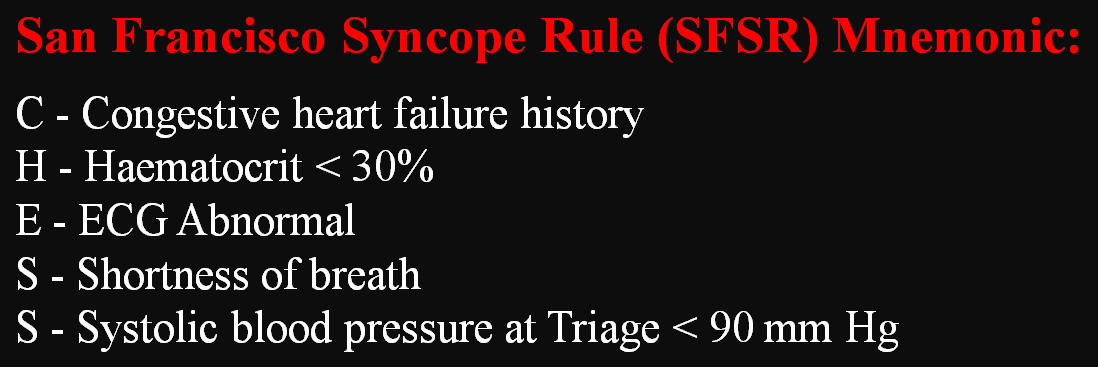
When reading the ECG consider conduction disturbance (predisposing to complete heart block), acquired and inherited disorders associated with risk of dysrhythmia (WPW) or sudden cardiac death (Brugada, Arrhythmogenic RV Cardiomyopathy, QT abnormalities), and – especially in exertional syncope – left ventricular outflow obstruction (HOCM, aortic stenosis).
The acronym WOBBLER can help us remember to check these things in a left-to-right (P wave to T wave) approach:
Congenital Heart Disease in the ED
Consider duct dependent lesions if a patient presents in the first month (especially first week) of life with new onset cyanosis, ‘effortless tachypnoea’ or pallor/ shock.
Non specific symptoms and signs in infants include lethargy, poor feeding, sweating, and an enlarged liver.
For a good grasp of congenital heart disease emergencies this excellent podcast from the Emergency Medicine Cases team in Canada covers a lot of ground:
Following ‘Fontan’ heart surgery the patient has a single functioning systemic ventricle which is used for providing cardiac output to the body. Blood flow to the lungs is not pumped by a ventricle, but relies on venous return directly from the venae cavae to pulmonary arteries. These patients are therefore very preload dependent and can be severely compromised by hypovolaemia.
Fontan patients are also at risk of thromboembolic disease and dysrhythmias. Adult patient survivors of congenital heart disease can have Fontan circulations.
During the management of cardiac arrest in children and infants with known cardiac disease, specific modifications may be necessary to standard ACLS. These are discussed and summarise in this AHA article:
Here are a couple of articles that talk about how to present cases in ED in 3 minutes. This can be modified to be used in the ISOBAR format, or for case presentations using powerpoint. These are meant for medical students, but they are actually good for every level. I learnt a few things from them too.